
“I learned more in this program than I did at Harvard Medical School.”
“I would liken myself to an unconscious competent before this program. I was directionally correct — I had That is the takeaway from Christine Carter – a sociologist, best-selling author, and Senior Fellow at the Greater Good Science Center. Despite her extensive academic background, Christine came to Coya looking for a better way to navigate a specific physiological hurdle: the transition into menopause.
Like many high-performing women, Christine was used to having the answers. But as her physiology shifted, the old playbooks stopped working. She joined the Coya cohort not just for fitness, but for a roadmap that offered clarity alongside community and support.
Pre-Cohort Reality: Before Coya, Christine relied heavily on self-discipline. However, she realized that knowledge alone wasn’t enough to sustain behavior change during a complex biological transition.
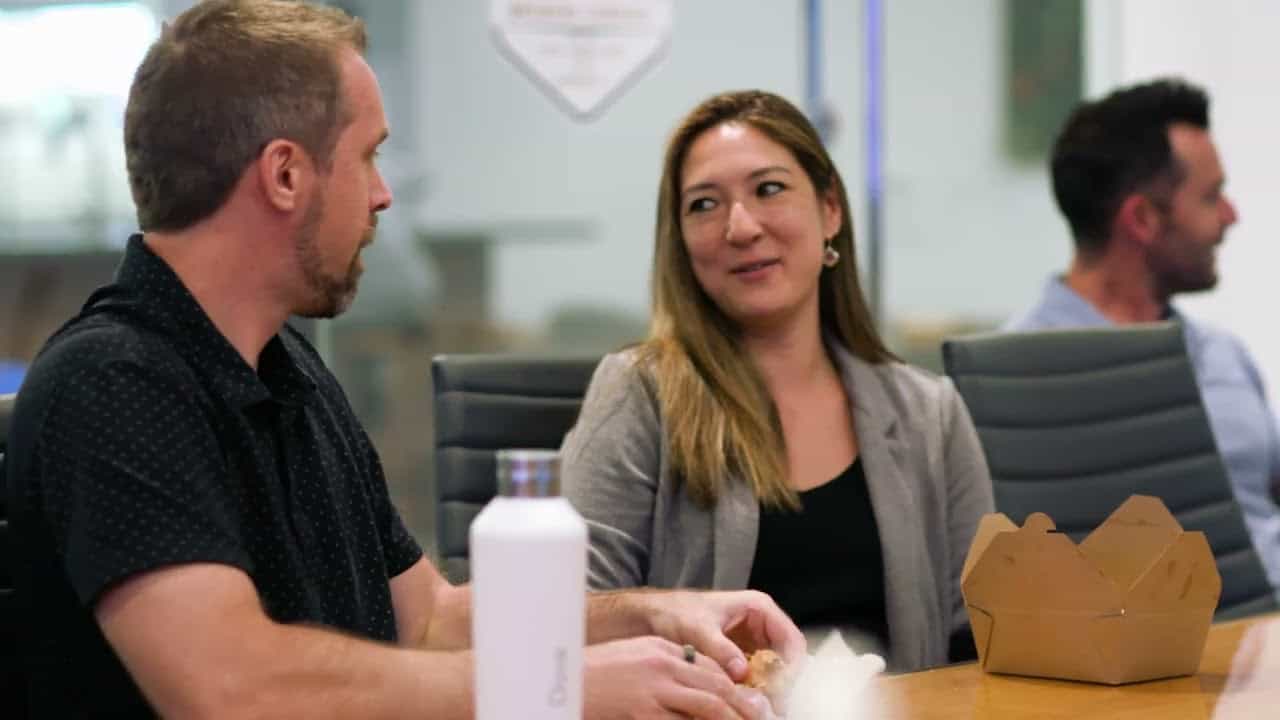
“As an academic, I know that motivation is totally dependent on three core psychological needs, and one of those needs is relatedness,” Christine explains. “People like me often think, ‘I have an ironclad will, I can do this.’ But the truth is that we all, as humans, lose motivation when we are just completely isolated.”
The Power of Relatedness: Christine found that the “secret sauce” of her success wasn’t just the biometric data. Rather, it was the cohort itself.
“This was a different level. It felt really good to have other coaches to talk to, and to have other women who were in a similar life stage as me. To talk to other really high-achieving individuals about, you know, the miracle of hydration — that provided a fair amount of motivation for me.”
Christine’s Results: By leveraging the Coya Method, Christine moved past “willpower” and achieved tangible changes that had once felt out of reach:
- Biological Mastery: She gained a clearer understanding of her own biology so she could work with her physiology rather than against it.
- Sustained Motivation: She overcame the “drop-off point” (where motivation usually fades after a few weeks) through the power of the cohort community
- Optimized Habits: She utilized peer support to solidify key daily behaviors that translate to tangible, long-term health improvements.
- Navigating Transition: She successfully managed the perimenopause-to-menopause shift using precise data (from her Whoop and Dutch Test) rather than guesswork.
Post-Cohort Takeaway: Christine’s journey proves that high performance isn’t a solo sport. When you replace isolation with “relatedness” and guesswork with data, a formerly daunting physiological transition becomes a period of profound growth. She demonstrates that you don’t just have to survive these changes — with the right ecosystem, you can evolve through them and once again thrive.
“I think this is an incredible gift that you can give yourself or that you can give your team,” she says. “You’ll get so much out of it, even if you feel too busy to take something like this on.”